Our Episcopal

Faith

Our Essential 

Beliefs & Practices

We share the central Christian proclamation: "Christ has died, Christ is risen, Christ will come again." As Episcopalians, we honor ancient traditions while embracing contemporary understanding, standing on the three pillars of scripture, tradition, and reason.

Our worship follows the Book of Common Prayer, offering a beautiful liturgy that connects us to Christians across centuries. While embracing theological diversity, we unite in Christ's love to proclaim good news, serve those in need, pursue justice, and care for creation.

The Episcopal Church welcomes all backgrounds, questions, and journeys. We invite you to explore faith with us through our sacraments and services and to discover more about our denomination's beliefs through the Episcopal Church's official website.

Sacrament

We believe our world is filled with Sacraments - an object or event that symbolizes Divine Presence or truth. These are sacred mysteries.

As a Christian rite, a Sacrament represents a physical action or word describing something spiritual and invisible happening. The sacraments Christ instituted are Holy Baptism and Holy Communion. The Episcopal Church recognizes five additional sacraments: Confirmation, Marriage, Ordination, Confession, and Anointing with Oil.

If you would like more information about the Sacraments, please contact Mtr Lainie through the church office at stalbans@stalbansaz.org

Holy Baptism

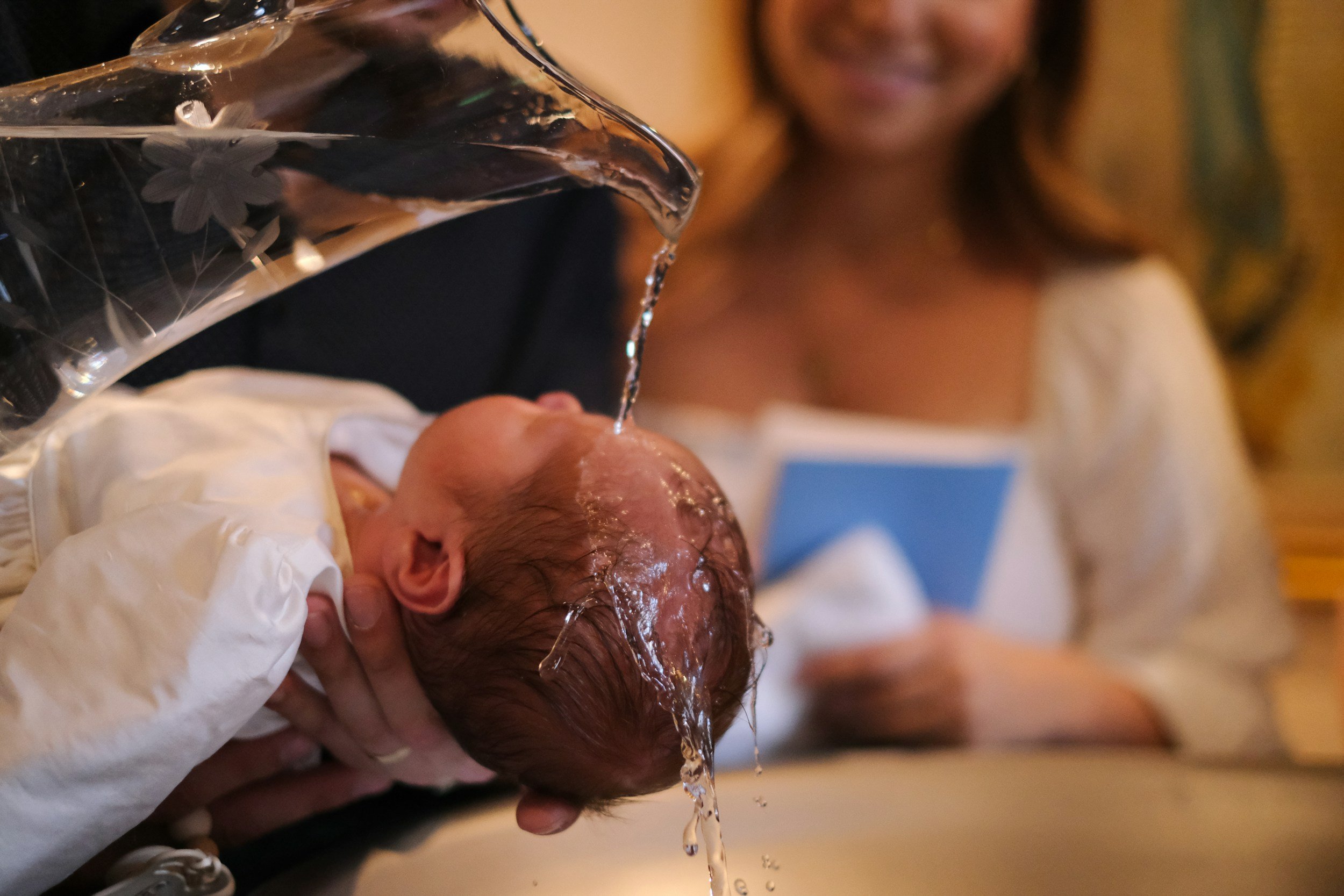
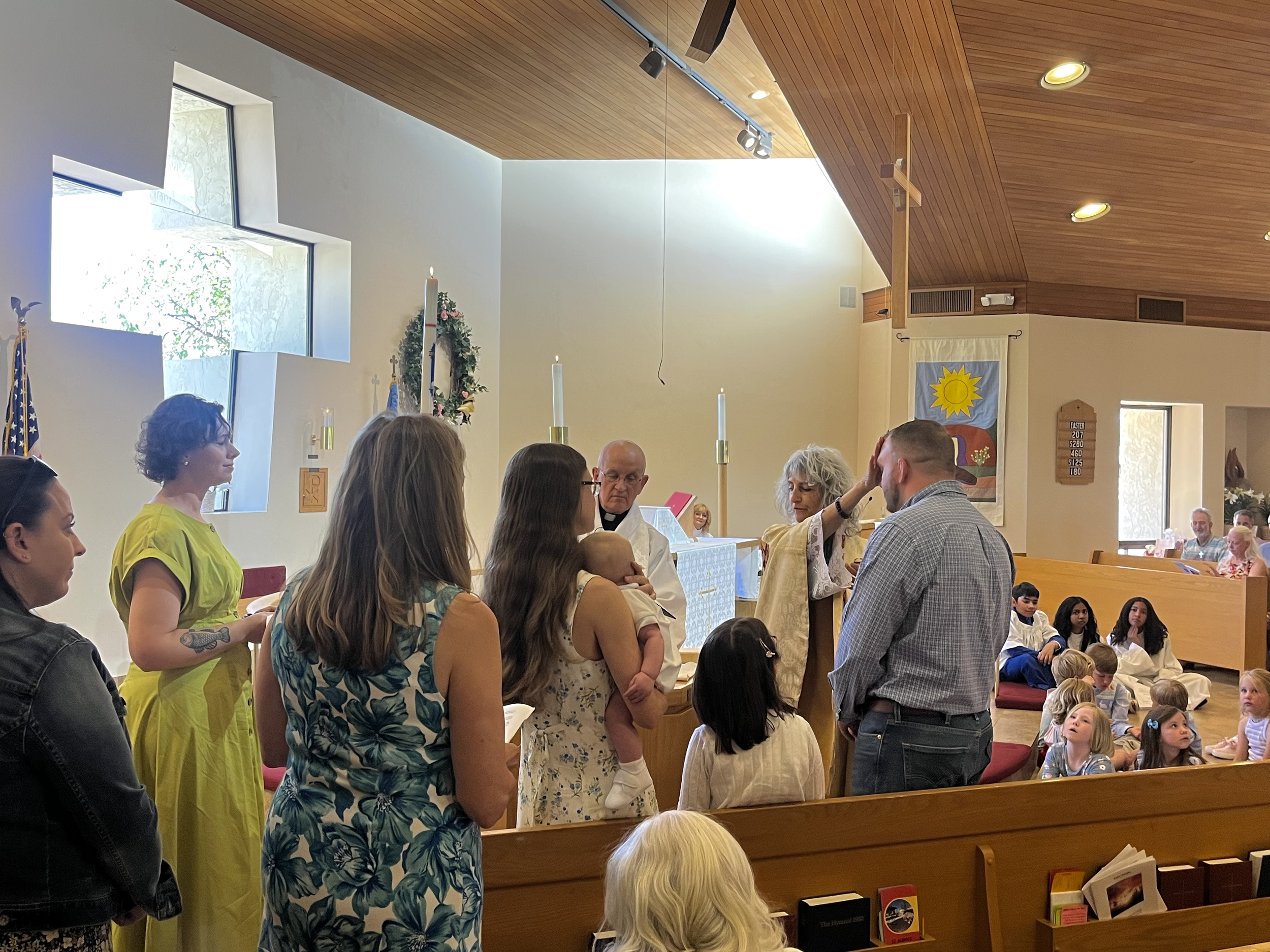
Holy Baptism is full initiation into the Church by water and the Holy Spirit. Through this sacrament, God adopts us as His children, makes us members of Christ's Body, and inheritors of His Kingdom. We believe in one baptism for the forgiveness of sins. Baptism is available to congregation members and their families of any age. During the liturgy, our St. Alban's family promises to uphold and sustain the newly baptized on their Christian journey. If you have questions about baptism, our Clergy are here to help, or you may find more information at the link below.

The Eucharist

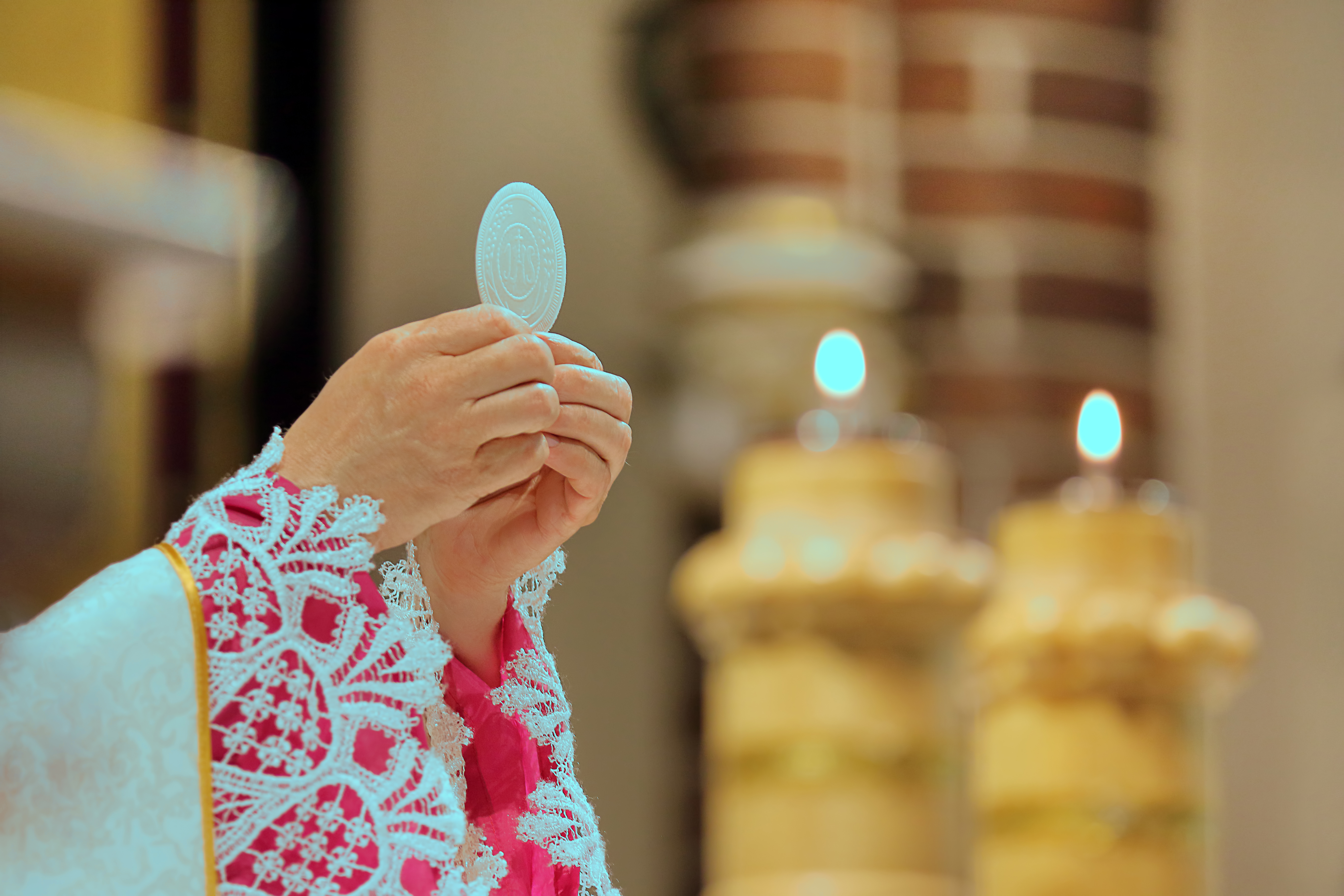
The Eucharist, or Holy Communion, is the sacrament Christ gave at the Last Supper for remembrance of his life, death, and resurrection. We believe it is a time of praise and thanksgiving, remembering Jesus' sacrifice that takes away our sins. Through consecrating and receiving bread and wine according to Christ's command, we receive forgiveness of sins, strengthened union with Christ and one another, and a foretaste of the heavenly banquet that nourishes us in eternal life. For those wanting to better understand this sacrament, a communion class is available. Click the link below for more information.

The Sacramental

Rites

of the Episcopal Church

Sacramental rites are sacred ceremonies that mark important life transitions and spiritual milestones, including Confirmation, Marriage, Reconciliation (Confession), Anointing of the Sick (Unction), and Ordination, through which God's grace is especially conveyed at significant moments in our faith journey.

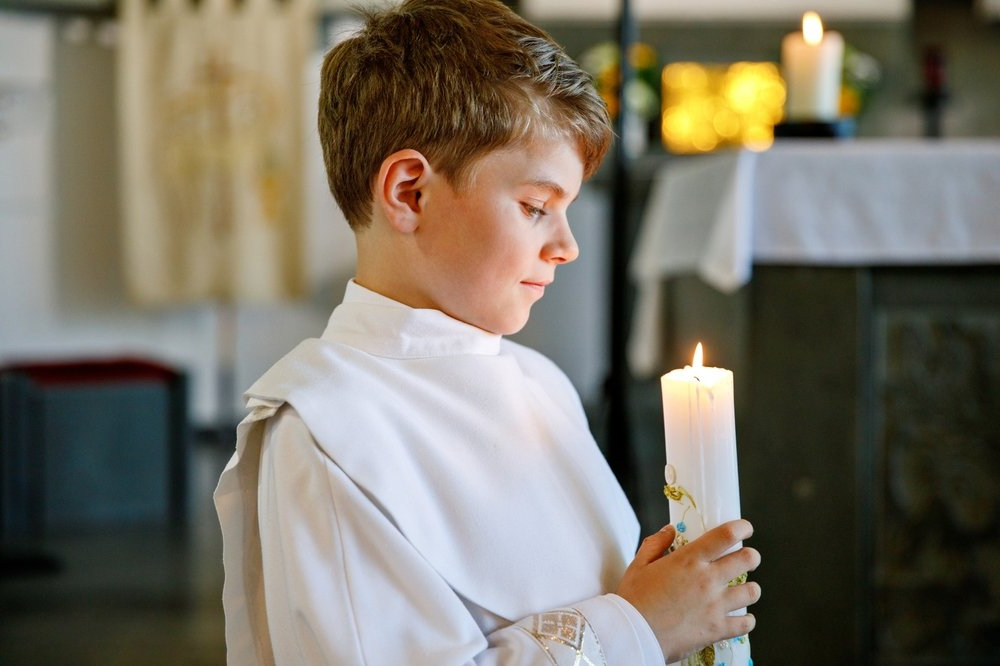
Child holding a candle

Confirmation

Confirmation is the rite where we express mature commitment to Christ and receive strength from the Holy Spirit through prayer and the laying on of hands by a bishop. St. Alban's offers periodic confirmation classes and inquirer's sessions to address questions about this significant rite. Click the link below for more information or to join a session.

Person in religious attire

Ordination

Ordination is the rite in which God gives authority and the grace of the Holy Spirit to those being made bishops, priests, and deacons, through prayer and the laying on of hands by a bishop. St. Alban's supports congregation members who embark on this path, and welcomes your interest in this area.

Two hands holding flowers

Holy Matrimony

Holy Matrimony celebrates the sacred union of two consenting adults seeking a lifelong commitment. Couples make their vows before God and the Church, receiving grace to fulfill them. Premarital counseling is required. Please follow the link below to discuss having your marriage blessed at St. Alban's.

Confession

Reconciliation of a Penitent or Confession is the rite in which we confess sins to God in the presence of a priest and receive assurance of pardon and the grace of absolution. Communal confession occurs during Sunday worship, while private confessions may be heard by a priest anytime. To speak with clergy about this, follow the link below.

Unction

Unction is the sacramental rite of anointing the sick with oil or laying on of hands, through which God's grace is given for healing of spirit, mind, and body. Members of our healing prayer team offer this rite during Sunday worship services and at our Wednesday healing service.

What does

it mean to be

Episcopalian?

What is Episcopal?

The word “episcopal” means “bishop,” a reminder that the Episcopal Church has bishops as part of its structure. Bishops are mentioned in scripture, and their office was one of the earliest positions in the Church. Thus, the Episcopal Church maintains a strong tie to the earliest traditions of the Christian community.

So, you’re Catholic?

Yes, and no. The Episcopal Church is catholic in the sense that we maintain the ancient structure, like the Roman Catholic and Orthodox churches do. While we uphold the continuity of tradition, the Episcopal Church is not part of the Roman Catholic Church. The Episcopal Church is also Protestant, a product of the English Reformation back in the 16th Century.

Both Protestant and Catholic?

You can be both. The Anglican Church has always seen itself as the bridge church, valuing the tradition of the catholic side of the faith while asserting the authority of the scriptures, as the Protestant churches do.

So, where does the Episcopal church stand on the hot issues?

Anyone who can reason is free in this church to make up their own mind. Consequently, members of the Episcopal Church find themselves passionately on all sides of any issue. The Episcopal Church decides issues slowly, always with room for dissension.

Why does the Episcopal Church use written prayers?

While there is a place for spontaneous praying in our church, most worship services follow the book. The Book of Common Prayer is the product of centuries of Christian thought. While as modern people we often believe that newer is better, in the Episcopal Church we insist on valuing the insights of those who have come before us. Using written prayers ensures that we will not be limited to the concerns or insights of a particular worship leader or community, but will be able to draw on the thoughts of countless believers. Written prayers broaden the scope of our prayers. The concepts contained in the Book of Common Prayer broaden our understanding of our faith.

What do Anglicans stand for?

What is unique in Anglicanism is our source of authority. Roman Catholics find their authority in the tradition, in the pope whose office gives him the authority to speak for all members of the Roman church. Many Protestants would maintain that scripture alone can be our guide. Yet scriptural interpretations can change – at one time, for example, most Christian churches believed that slavery was a divinely sanctioned institution.

Why should I go to church?

The Bible, which records God’s word to his people, assumes the existence of a believing community. Moses, David, Mary, Paul – even Jesus – lived out their faith in community. In our modern world, we tend to believe that we can and should “go it alone,” but the truth is that we are meant to live, work, and worship together. It is not an accident that the new commandment Jesus gives his disciples is to love one another. In attempting to do this, we discover more about God and ourselves than we could ever know alone.

Can’t you be Christian without joining a church?

The Episcopal Church is the American part of the Anglican Communion, a worldwide body of churches, all with roots in the Church of England. Many Anglicans are found in Africa (Archbishop Desmond Tutu of South Africa is one famous Anglican), Australia, Canada, and other parts of the former British Empire.

What makes a church Anglican?

History is part of it, obviously, but Anglican churches share much more in common. Anglican churches use a prayer book in their worship, written in the language of the people. Anglicans hold the historic Creeds (the Nicene and Apostles Creeds) to be sufficient statements of faith.

What do you believe about the Bible?

Quite simply, for Episcopalians, Scripture contains all things necessary for salvation. This means that God has been fully revealed in the words of the Bible. We cannot add doctrines or rules that are not supported by Scripture. However, this does not mean that the Bible is inerrant, that is, without error, needing no translation or interpretation. The Word of God speaks to each age with a different emphasis, not a different message. We are in the process of learning each day what that Word means to us in our time. All of us, using our reasoning powers to the best of our ability, are part of the journey of discerning and doing God’s will.

Prayer Requests

We love lifting you up in prayer. Contact our office or use the link below to join our prayer list. Pastoral visits and appointments are available for specific needs.